
How Physiotherapy Helps Children with CP
After a cerebral palsy (CP) diagnosis, many parents ask the same question: how can we help our child move more comfortably and confidently? Physiotherapy for children with cerebral palsy is often a key part of the answer. It cannot cure CP, but it can support strength, movement, comfort and participation in everyday life.
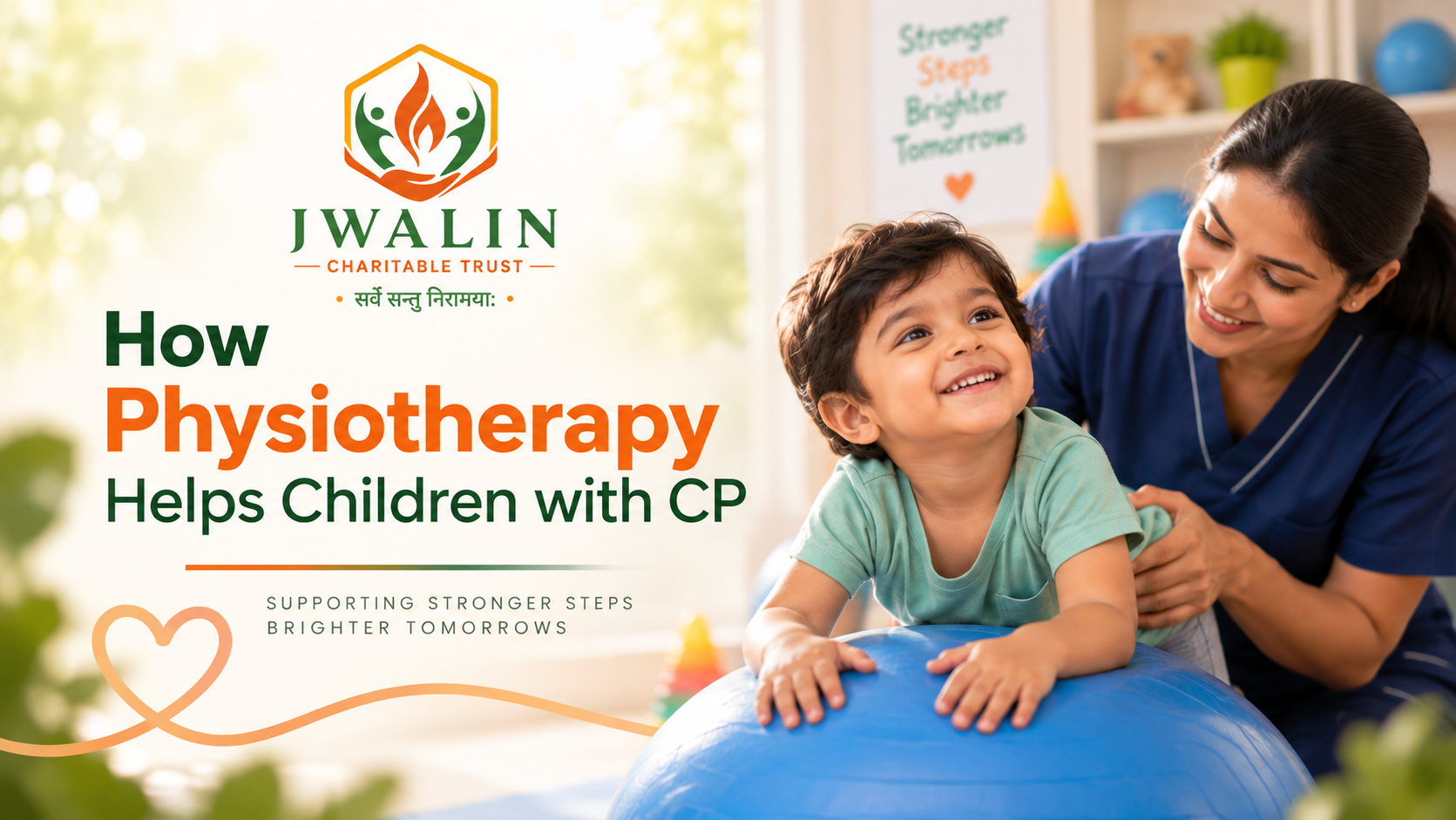
After a cerebral palsy (CP) diagnosis, many parents ask the same question: how can we help our child move more comfortably and confidently? Physiotherapy for children with cerebral palsy is often a key part of the answer. It cannot cure CP, but it can support strength, movement, comfort and participation in everyday life.
What Is Physiotherapy for Cerebral Palsy?
Physiotherapy focuses on movement and physical function. A paediatric physiotherapist assesses how your child sits, stands, moves and balances, then creates a plan around their age, abilities and goals. No two plans are identical, because CP affects every child differently.
How Physiotherapy Helps Children with CP
Depending on individual needs, physiotherapy may help to:
- Improve strength, balance and coordination
- Support posture and head and trunk control
- Ease stiffness and keep muscles and joints flexible
- Build skills such as rolling, sitting, standing or walking, where possible
- Reduce the risk of muscles and joints becoming tight over time
- Guide safe use of walkers, braces or other mobility aids
- Progress varies from child to child, so therapists set realistic goals together with the family.
Why Start Early?
The young brain is highly adaptable, and early therapy gives children more chances to practise movement as their bodies grow. It also helps families learn safe handling, positioning and play techniques from the start. Still, children of every age can benefit, so it is never too late to seek guidance.
How Often Does a Child Need Physiotherapy?
There is no single answer. Frequency and session length depend on your child's age, needs and goals, so follow your physiotherapist's advice. Consistency helps, and short home practice alongside clinic sessions is often recommended.
Making Physiotherapy Work at Home
- Practise only the exercises your therapist has taught you
- Turn routines into play with songs, games and favourite toys
- Keep sessions short, and stop if your child seems to be in pain
- Celebrate small achievements
- Share tips with teachers and family so routines continue at school
When to Seek Professional Help
If you suspect CP or delayed milestones, consult a paediatrician or neurologist, who can refer you to a qualified paediatric physiotherapist. Be cautious of any programme that promises a cure or guaranteed results.
From Our Journey to Every Family's Hope
Regular therapy is not easy for every family, as cost, distance and limited information often stand in the way.
Jwalin Charitable Trust works to support therapy, awareness, education and caregiver guidance for children with cerebral palsy across India, because every child deserves dignity, opportunity and hope.
To learn more, volunteer or support a child, visit cpchildindia.org.
This article is for general awareness and is not a substitute for individual medical advice.