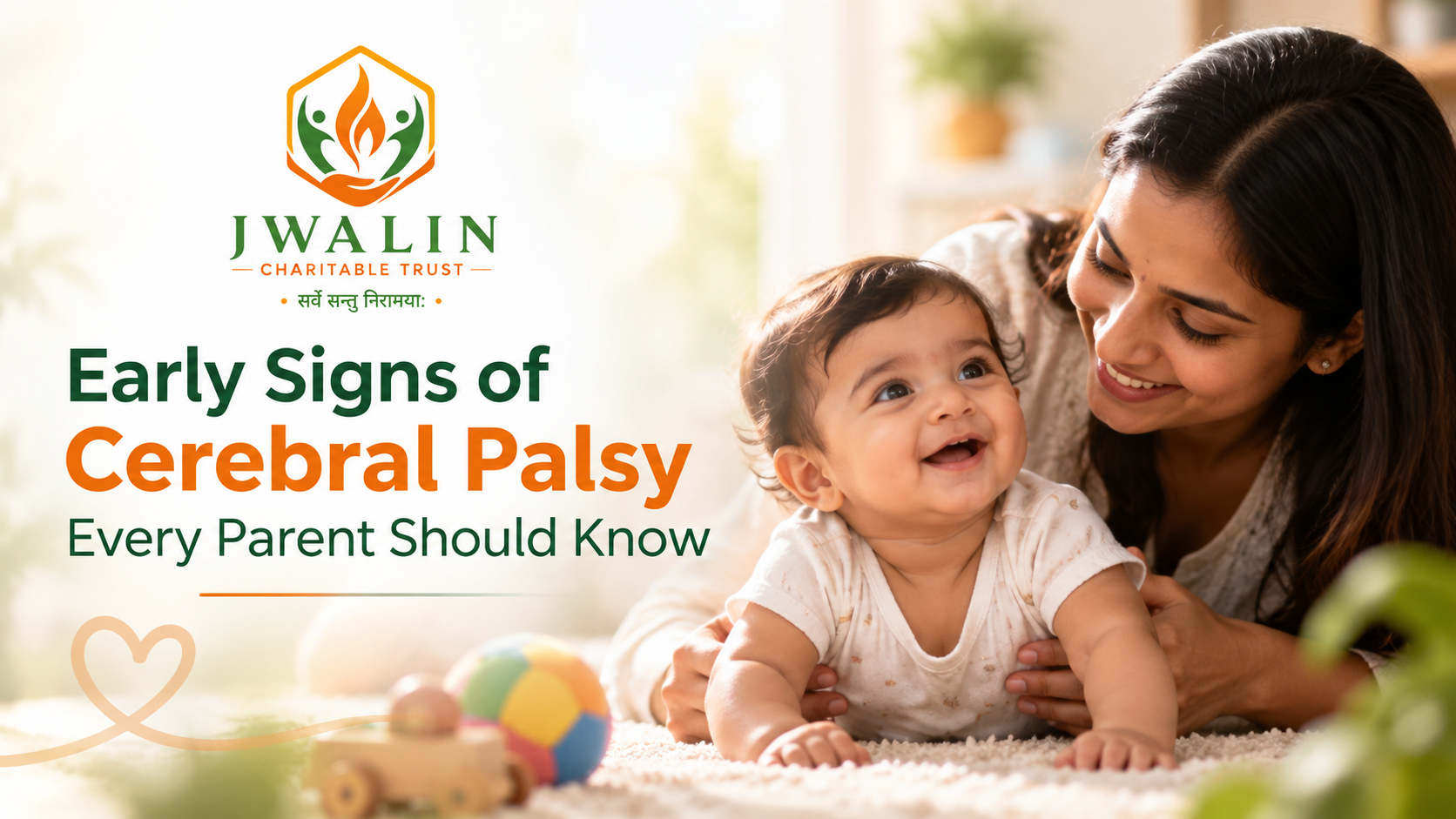
Early Signs of Cerebral Palsy Every Parent Should Know
Every parent treasures a baby's first smile, first roll and first steps. Sometimes, though, a child's movements or milestones seem different from what is expected, and worry follows. Knowing the early signs of cerebral palsy (CP) helps families ask the right questions at the right time.
Every parent treasures a baby's first smile, first roll and first steps. Sometimes, though, a child's movements or milestones seem different from what is expected, and worry follows. Knowing the early signs of cerebral palsy (CP) helps families ask the right questions at the right time.
What Is Cerebral Palsy?
Cerebral palsy is a group of lifelong conditions affecting movement, posture, muscle control and balance. It results from differences in, or damage to, the developing brain before, during or shortly after birth. Every child is affected differently, and CP is not caused by anything a parent did or did not do.
Early Signs of Cerebral Palsy in Babies and Toddlers
Signs vary and often become clearer over the first two years. Watch for:
- Muscles that feel very stiff or unusually floppy
- Head lagging when the baby is lifted
- Legs stiffening or crossing like scissors when picked up
- Hands clenched tightly well beyond the first few months
- Not rolling over by around six months, or difficulty bringing hands together
- Using one side of the body more than the other, or crawling lopsidedly
- Delays in sitting, crawling or standing
- Difficulty sucking, feeding or swallowing
- Delayed speech or limited communication in older toddlers
Is Every Delay a Sign of CP?
No. Children develop at their own pace, and many delays have other causes. Only a qualified doctor can confirm CP, usually after a developmental assessment and, where needed, further evaluation.
When to Consult a Doctor
Speak to a paediatrician if you notice several of these signs, if your baby seems to lose skills, or if your instincts say something is wrong. Closer follow-up is especially useful for babies born prematurely, with low birth weight, or with newborn complications such as severe jaundice, infection or breathing difficulty. Ask about a referral to a paediatric neurologist or child development specialist.
Why Early Intervention Matters
CP is lifelong, but early support can improve comfort, participation and independence. Physiotherapy, occupational therapy, speech therapy and parent guidance help children build on their strengths. Outcomes differ for every child, so therapy plans should be designed by qualified professionals around individual needs.
What Parents Can Do Today
Track milestones and share them with your doctor
Record short videos of movements that concern you
Attend routine developmental check-ups instead of waiting and watching
Reach out for support; you are not alone
From Our Journey to Every Family's Hope
Early awareness can turn worry into action, and action into hope. At Jwalin Charitable Trust, we believe every child deserves dignity, opportunity and the chance to shine. Through awareness, therapy support, education and family guidance, we walk alongside families across India. To learn more, volunteer or support a child, visit cpchildindia.org.
This article is for general awareness and is not a substitute for individual medical advice.