
Best Home Exercises for Children with CP
When a child has cerebral palsy (CP), progress often depends on what happens between therapy sessions. Regular practice at home can help children build strength, balance and confidence. Parents often ask which home exercises for children with cerebral palsy are best. The honest answer is that the best exercises are the ones a qualified therapist chooses for your child.
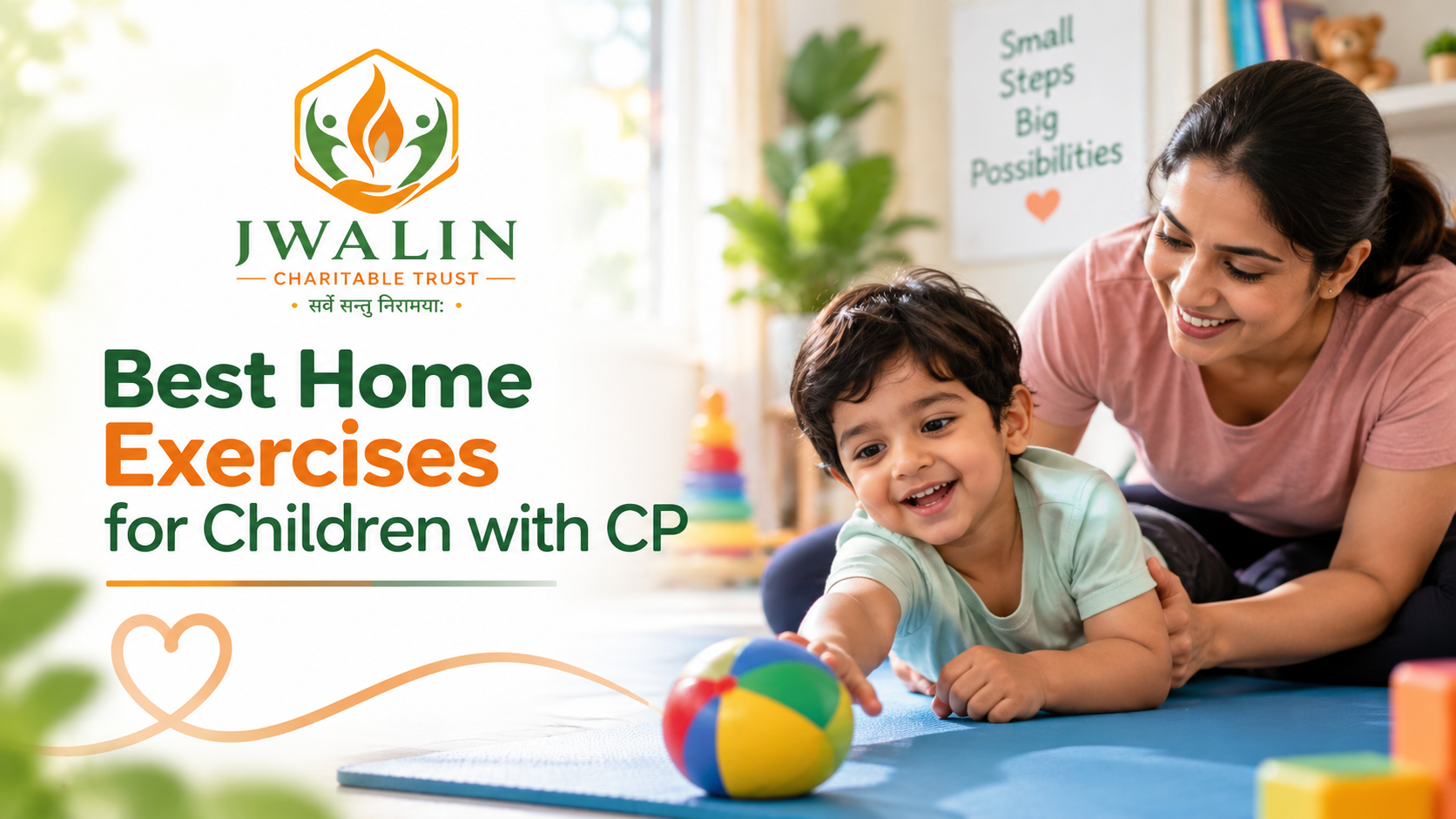
When a child has cerebral palsy (CP), progress often depends on what happens between therapy sessions. Regular practice at home can help children build strength, balance and confidence. Parents often ask which home exercises for children with cerebral palsy are best. The honest answer is that the best exercises are the ones a qualified therapist chooses for your child.
Are Home Exercises Safe for Children with CP?
They can be, when guided by a professional. CP affects every child differently, so an exercise that helps one child may be unsuitable for another.
Ask your physiotherapist or occupational therapist to demonstrate each activity, explain its purpose and write down a simple routine. Don't copy exercises from videos or social media without checking first.
Simple Home Activities Therapists Often Use
Depending on your child's age and abilities, a therapist may suggest activities such as:
- Tummy time and floor play: builds head control and strength in babies and young children
- Supported sitting: encourages balance and trunk control while your child reaches for toys
- Reaching and grasping games: stacking blocks or passing objects between hands builds hand skills
- Rolling and floor movement: moving towards a favourite toy encourages coordination
- Supported standing: helps with weight-bearing, but only with the equipment and technique your therapist has shown you
- Gentle stretching: only exactly as taught, and never by forcing a stiff joint
Make Exercise Feel Like Play
Children respond best when practice is fun. Use songs, games and favourite toys, and pick times when your child is rested and fed. Short, cheerful sessions usually work better than long, tiring ones. Praise effort, not just results.
How Often Should Children Practise?
There is no single answer. Frequency depends on your child's needs and goals, so follow your therapist's plan. Short, regular sessions are often easier for families to keep up.
When to Stop and Seek Advice
Stop the activity and contact your doctor or therapist if your child shows:
- Signs of pain or ongoing distress
- Breathing difficulty or unusual tiredness
- A seizure
- New stiffness, swelling or loss of skills
- Never push a child through discomfort.
Involve the Whole Family
Share the routine with siblings, grandparents and teachers so practice becomes part of everyday life. Inclusion begins at home, and every family member can encourage the child.
From Our Journey to Every Family's Hope
Home practice works best when families feel informed and supported. Jwalin Charitable Trust works to support therapy, caregiver guidance, awareness and education for children with cerebral palsy across India.
To learn more, volunteer or support a child, visit cpchildindia.org.
This article is for general awareness and is not a substitute for individual medical advice.